
Separate the item, the cushioning and the outer box into three deliberate protection decisions.
Check whether the item should travel this way
First check the courier’s acceptance and compensation exclusions for the specific material and item. Glass, ceramics, liquids and delicate mechanisms may have particular conditions. A fragile sticker does not change those terms or make an excluded item covered.
If you cannot meet the stated packaging conditions, choose another transport method or obtain specialist advice before sending. Do not assume buying extra cover overrides an exclusion.
Stop contact and movement
Wrap components separately and keep them from striking each other. Use cushioning suitable for the object’s weight and vulnerability. Fill voids so the item cannot slide across the carton, while avoiding pressure on delicate surfaces.
Think about the weakest part: a protruding handle or thin stem may need different protection from a broad flat surface. Packaging that protects one face but leaves another against the box wall is incomplete.
Use an appropriate outer carton
Inspect reused boxes for crushed edges, dampness and weak seams. Some objects need a protective outer box around their presentation packaging. Seal seams securely and attach the shipping label on a flat face with its barcode unobstructed.
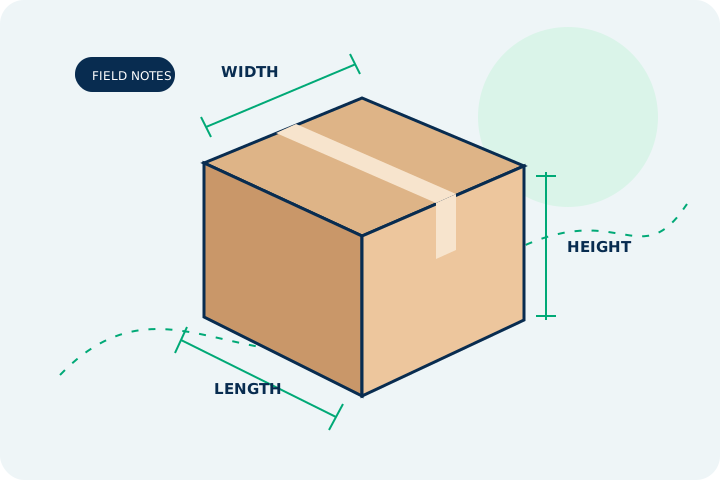
Measure the finished package again. A fragile item’s final volume can be much greater than its unpacked dimensions, and that can affect both size eligibility and dimensional assessment.
Keep a packing record
Photograph the item’s condition, the internal protection and the sealed carton before dispatch. Keep purchase or sale evidence where available. If a problem occurs, the recipient should retain the packaging until the claim process is resolved.
No packing method guarantees undamaged arrival. The objective is an appropriate, documented preparation process that follows the selected carrier’s rules.
Questions worth clearing up
Should I reuse the product’s presentation box?
Inspect whether it provides suitable transport protection. Some items need a separate outer shipping carton and additional cushioning. A presentation box looking attractive does not prove that its seams, corners or internal supports are suited to carrier handling.
What should the recipient retain after damage?
Keep the item, outer carton, internal protection and label until the provider’s process says otherwise. Photograph the condition and report promptly through the correct channel. Discarding packaging can remove evidence the provider requests.
Primary sources & editorial review
Reviewed on 7 November 2026. Rules can change; check the specific product, destination and current official guidance before sending. This independent explanation is not a quote or a guarantee.
- DPD Online — packaging tips
- DHL Express — preparing your shipment
- Parcelforce Worldwide — packaging guidelines
- Evri — terms and conditions
Spot something that needs updating? See our contact information and editorial approach.